Ankara for men: what Ankara fabric is and how to style it
Where the bold wax print came from, why its patterns have names, and how to wear Ankara well, from Senator sets and buba and sokoto to shirts, suits and streetwear cut for an athletic build.
Ankara is the Nigerian name for African wax print: a brightly patterned cotton fabric printed with a resin-resist process inspired by Indonesian batik. Men wear it as full Senator sets, buba and sokoto, kaftans, shirts and two-piece sets, or as a single accent such as a cap or pocket square. The easiest way to start is one Ankara piece paired with a solid color taken from the print.
What Ankara fabric is
Ankara fabric is a cotton cloth covered in bold, often large-scale patterns in saturated color. In Nigeria it is called Ankara; elsewhere you'll hear African wax print, Dutch wax, Hollandais or, in East Africa, kitenge. Despite the "wax" name, the classic process uses a resin resist: the design is applied to both sides of the cloth, which is then dyed, so the color only takes where the resin isn't. That process leaves the fine, veined "crackle" that marks a true wax print.
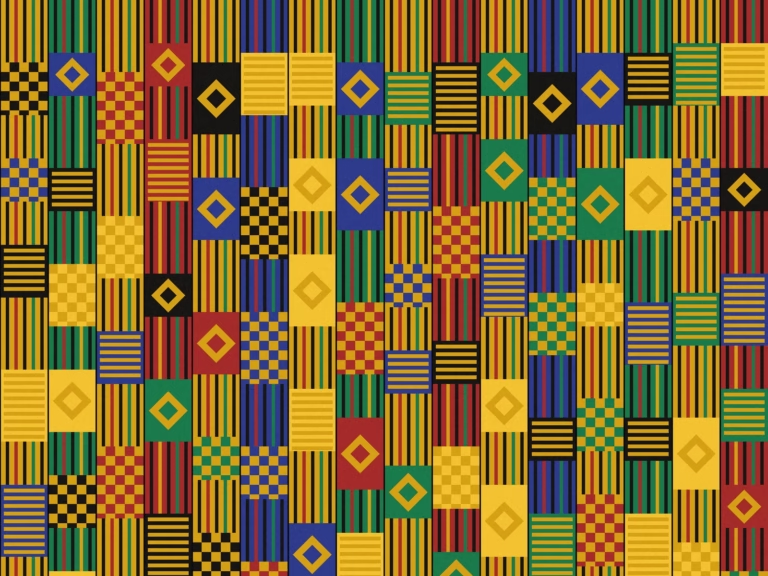
Ankara is printed, not woven. That is the key difference from Kente, Ghana's hand-woven strip cloth, and from Nigeria's own aso-oke. Printing makes Ankara lighter, more affordable and far more varied, which is why it dominates everyday West African fashion.
Where Ankara comes from
Ankara's story starts in Indonesia. During the colonial period, Dutch manufacturers tried to industrialize Javanese batik, a hand-made wax-resist cloth. In 1846 Pieter Fentener van Vlissingen founded the company now known as Vlisco, one of the firms that mechanized the process.
The plan didn't work in Indonesia. Buyers there rejected the machine-made cloth, partly because the resin cracked and left imperfections in the print. In West Africa, the same fabric found an eager market, and by the late 19th century wax prints were fashionable along the West African coast. The crackle that Indonesian buyers saw as a flaw became part of the cloth's character.
West Africans made the fabric their own: choosing the designs, naming them and building a whole culture of dress around them. Today wax prints are also produced in West Africa itself, alongside cheaper prints made in Asia. Where the name "Ankara" came from is still debated, but the cloth it describes is now firmly part of Nigerian and West African identity.
Why Ankara prints have names
Wax print designs leave the factory with only a stock number. The names come later, usually from the market traders who sell the cloth and the customers who buy it. Prints are named after proverbs, current events, politics and everyday objects, and the same design can carry different names in different countries.
- Speed BirdA design of birds in flight known as "Air Afrique" in Togo and "Rich today, poor tomorrow" in Ghana: a reminder that money can fly away as fast as it arrives.
- Michelle Obama's HandbagNamed after the Obamas' visit to Ghana, even though the print doesn't show the bag she carried. The name captured national pride in the visit.
Because of this, choosing an Ankara print can be a quiet statement. Wedding guests in Nigeria often wear matching fabric chosen by the couple's family, known as aso ebi, so a whole celebration can share one print and one message. For more on what colors and motifs say, see African patterns and their meanings.
Real wax print or cheap copy?
| True wax print | Lower-cost print | |
|---|---|---|
| Both sides | Pattern is strong and clear on both faces | Pattern is printed on one side; the back looks faded |
| Crackle | Fine, irregular veins of color from the resin process | No crackle, or a printed imitation of it |
| Hand | Dense, smooth cotton that holds its shape | Thinner, sometimes stiff or papery |
| Colors | Deep and lasting through washing | Can fade or bleed more quickly |
Both have their place. A premium wax print is worth it for a Senator set or wedding outfit you'll wear for years; a lighter print can be perfect for a casual shirt.
Ankara styles for men
Ankara works in almost any cut. These are the styles men wear most:
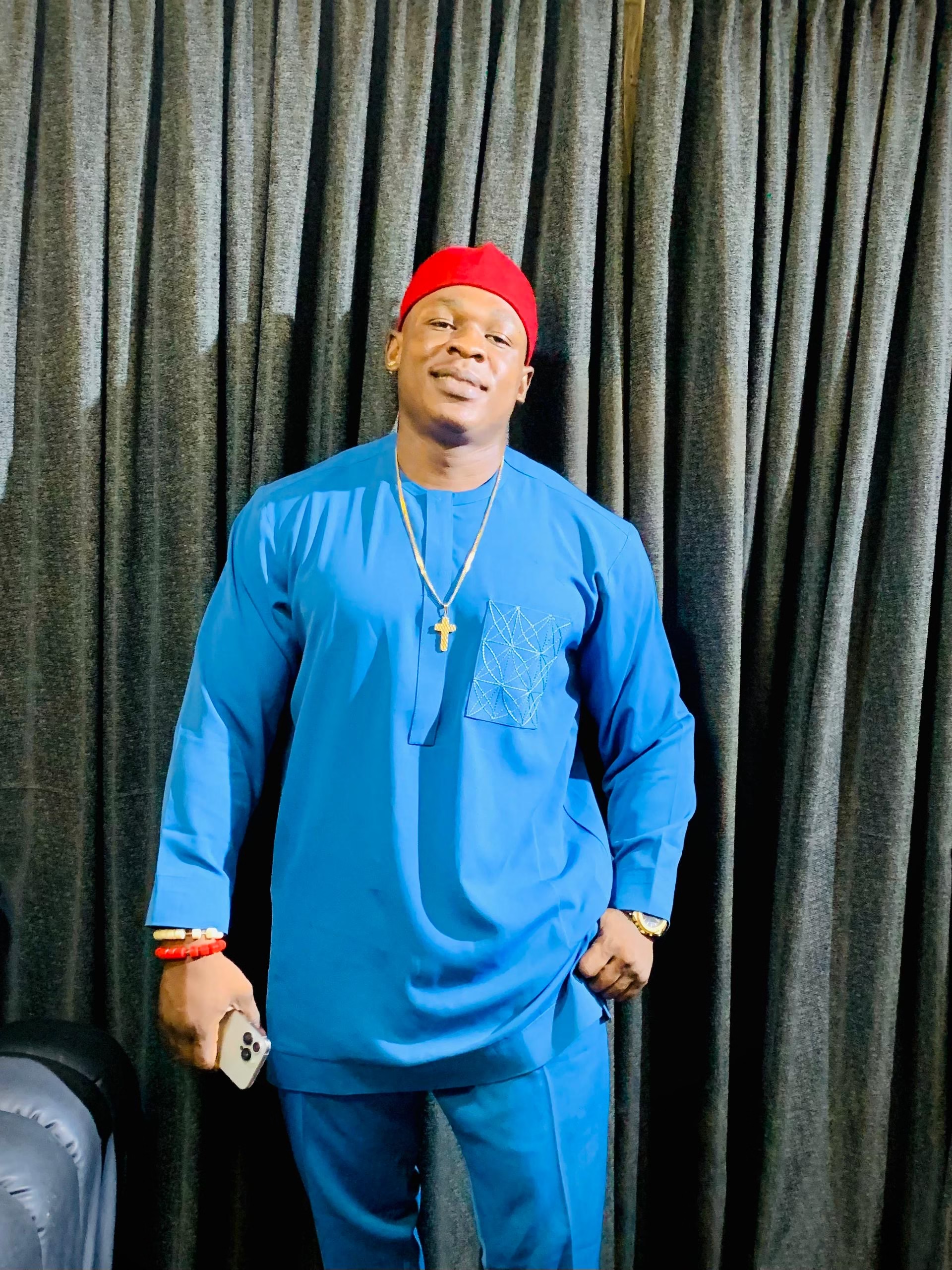
- Senator setsA tailored tunic and trousers, either fully in Ankara or as a solid set with Ankara panels on the placket, cuffs or pockets.
- Buba and sokotoThe classic Yoruba pairing of a loose top and drawstring trousers. In Ankara it's relaxed and celebratory, perfect for family events.
- KaftansA long, easy tunic. A bold print on a simple kaftan cut lets the fabric do the talking.
- Short-sleeve shirtsThe easiest way into Ankara. Wear one with solid trousers for anything from a weekend lunch to a night out.
- Two-piece sets and suitsMatching shirt and trousers or an Ankara blazer. A full matching set is a confident statement; a blazer over solid trousers is easier to wear.
- Streetwear and accentsAnkara also works in streetwear pieces and in small accents: a fila cap, pocket square, collar or sleeve trim on a solid garment.
Joshua makes all of these to measure, including streetwear pieces when a client wants them. See examples in the gallery.
Ankara on an athletic build
Ankara is cotton with little natural stretch, so fit matters more than it does with a knit. A few points make the difference on broad shoulders and big arms:
- Size the print to the frame. Large, bold motifs suit a broad chest and shoulders. Very small, busy prints can look fussy on a big frame.
- Watch the motifs. On a fitted garment, a large motif should sit centered on the chest or back, not split awkwardly by a seam or stretched across the arms.
- Give the arms and chest real room. Because the cloth doesn't stretch, tight sleeves or a tight chest pull the pattern out of shape and restrict movement.
- Taper the body. A tapered Ankara shirt or Senator top keeps a bold print looking sharp instead of boxy.
For the full fit rules, see how to dress a muscular body.
How to style Ankara with confidence
- Start with one statement piece. A patterned shirt or an Ankara cap lets you get used to the print without it taking over.
- Pull a solid color from the print. Black, cream, navy, olive and tan work with most prints; matching a color already in the fabric makes the whole look feel deliberate.
- Choose one print per outfit until you're comfortable. A full matching Ankara set is traditional and striking, but mixing two different prints takes practice.
- Dress for the occasion. Ankara is right for weddings, celebrations, travel and casual outings. For formal events, a Senator set in a refined print, or a solid set with Ankara details, strikes the right balance.
- Commit to it. Ankara is made to be seen. Worn with confidence, a bold print looks intentional; worn hesitantly, it looks like a costume.
For weddings and ceremonies, see What Is an Agbada?.
Caring for Ankara
Wash Ankara in cold water, inside out, with similar colors, and avoid harsh bleach. Dry it in the shade rather than strong sun, which can fade the colors, and iron it on the reverse side to protect the print. A well-made wax print gets softer with washing while keeping its color.
Your print, cut for your build. Choose the fabric and colors and Joshua will make your Ankara piece to your measurements. See how custom ordering works, or message him on WhatsApp using the button below.
Ankara questions, answered
What is Ankara fabric?
Ankara is the Nigerian name for African wax print, a cotton fabric printed with bold patterns using a resin-resist process originally modeled on Indonesian batik. It's also called Dutch wax, Hollandais or kitenge.
Is Ankara really African?
The technique came from Indonesian batik by way of Dutch manufacturers, but West Africans adopted the cloth in the late 19th century, named its prints and built a culture of dress around it. Today it is made in West Africa as well as abroad and is firmly part of West African identity.
What is the difference between Ankara and Kente?
Ankara is printed cotton, while Kente is hand-woven from narrow strips of silk and cotton in Ghana. Ankara is lighter, more affordable and used for everyday clothing; Kente is reserved for ceremonies and special occasions.
How should a man wear Ankara for the first time?
Start with one Ankara piece, such as a short-sleeve shirt or a cap, and pair it with solid trousers in a color taken from the print. Once you're comfortable, try a full Senator set or matching two-piece.
Can Ankara be made into suits or streetwear?
Yes. Ankara works for blazers, full suits and streetwear pieces as well as traditional styles. Because it's cotton without much stretch, these pieces fit best when they're made to your measurements.
Sources include the Victoria and Albert Museum's collection notes and writing on African wax print, and reporting on how traders name Vlisco designs.