Can white men wear African prints?
Exploring cultural appreciation and appropriation in fashion: why the question matters, where the line falls, and how to wear African prints with respect.
Few fashion questions spark as much thoughtful debate as this one: Is it appropriate for white men to wear African prints? The concern is understandable. Clothing carries history, identity, and meaning—especially when it comes to textiles rooted in centuries of cultural expression. At Josh Stitches, we believe the most honest answer lives in nuance: yes, it can be appropriate—when it’s done with respect, understanding, and intention.
Why the question matters
African prints—whether wax prints, kente, mud cloth–inspired patterns, or regional textiles—are not simply decorative. They often carry stories of place, community, celebration, resistance, and pride. Because of this depth, many people worry that wearing these patterns without understanding turns appreciation into appropriation. That concern deserves to be taken seriously, not dismissed.
Appreciation vs. appropriation
The difference often comes down to how and why the clothing is worn.
Appropriation tends to look like:
- Treating African prints as a costume or trend with no regard for meaning
- Erasing or ignoring the cultures that created the designs
- Profiting from the style while excluding African voices and makers
Appreciation, on the other hand, looks like:
- Learning where the fabric comes from and what it represents
- Supporting designers, tailors, and brands rooted in African or diasporic communities
- Wearing the clothing as a sign of respect, not parody or novelty
Intent matters—but so does impact. Listening to feedback and being open to learning is part of wearing these garments well.
How white men can wear African prints respectfully
If you’re drawn to African prints because you genuinely admire their beauty and craftsmanship, there is a respectful way forward:
- Start with tailoring, not costume. A well-made jacket, shirt, or accent piece (like a lining or panel) integrates African prints into everyday menswear rather than turning them into a caricature.
- Let the fabric speak—don’t exaggerate it. Balance bold prints with classic silhouettes. Respectful styling often means restraint, not excess.
- Know the story. You don’t need a PhD in textile history, but you should know who made the garment, where the fabric comes from, and why it matters.
- Give credit and support. Wear African prints while actively uplifting African designers, tailors, and cultural voices—not overshadowing them.
- Be open to conversation. If someone challenges you, listen. Respectful fashion includes humility.
Some cloths call for extra care
Not every African textile carries the same weight. A few deserve particular thought:
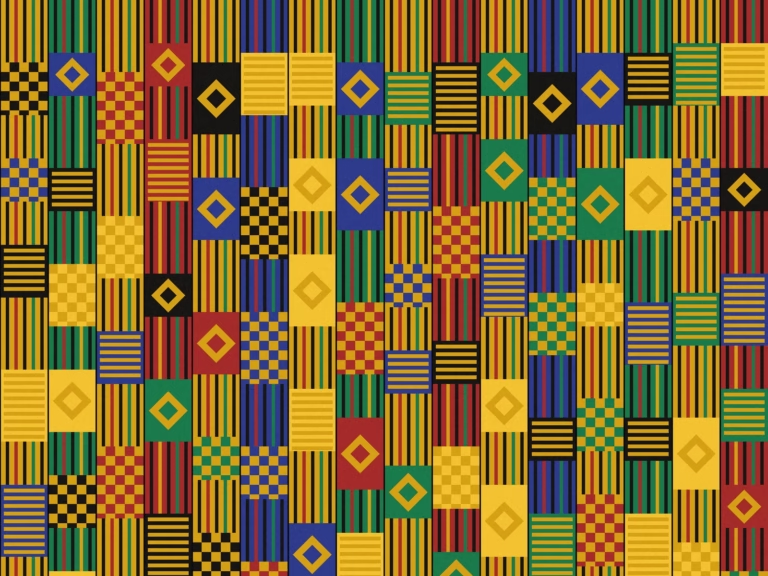
- KenteGhana's hand-woven cloth of royalty and celebration. Since 2025, Ghanaian law protects the name: only cloth woven by traditional methods in approved Ghanaian communities may be sold as Kente there. When non-Black U.S. politicians wore Kente stoles at a 2020 event, many Ghanaians objected to the cloth being used as a prop. If you wear Kente, buy genuine cloth and wear it for a real occasion. Read about Kente.
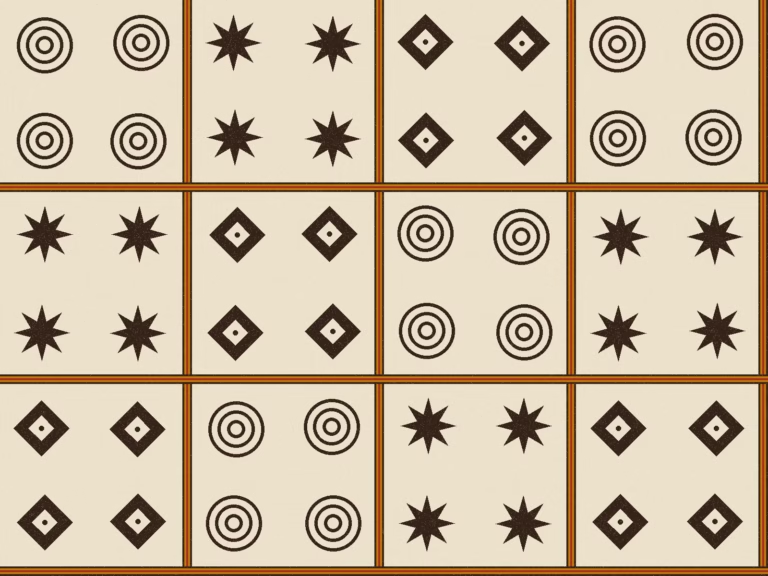
- AdinkraThese Akan symbols each carry a proverb, and some carry religious meaning, such as Gye Nyame ("except God"). Traditional Adinkra cloth is closely associated with mourning. Know what a symbol means before you wear it. See 20 symbols and their meanings.
- AnkaraThe everyday wax print of West African fashion, worn across the region for casual and festive occasions alike. It's one of the most welcoming places to start. How to wear Ankara.
A shared language of style
Fashion has always crossed borders. Denim wasn’t born everywhere it’s worn. Suits didn’t originate in every culture that embraces them today. Cross-cultural exchange can be beautiful when it’s rooted in honor rather than extraction. African prints don’t need to be fenced off—but they do need to be treated with dignity.
Our perspective at Josh Stitches
At Josh Stitches, we believe African-inspired design is not about exclusivity—it’s about intentionality. Clothing should connect us to stories larger than ourselves. When African prints are worn thoughtfully, they can become a bridge rather than a boundary.
The question isn’t “Am I allowed to wear this?” The better question is “Am I wearing this in a way that honors where it comes from?”
When the answer is yes, style becomes more than fashion—it becomes respect made visible.
Wear it well. Joshua makes African-inspired pieces to measure in Aba, Nigeria, in the fabric and colors you choose. See how custom ordering works.
Questions about wearing African prints
Is it cultural appropriation for a white man to wear African prints?
Not necessarily. Wearing African prints becomes appropriation when they're treated as a costume, stripped of their meaning or profited from while excluding African makers. Learning what you're wearing, buying from African designers and tailors, and wearing the clothing with respect is appreciation.
Can white people wear Kente?
Many Ghanaians welcome it when it's done with respect: buying genuine Kente from Ghanaian weavers, understanding its royal and ceremonial meaning, and wearing it for a fitting occasion. Using it as a prop or political gesture is where criticism usually arises.
What is the difference between appreciation and appropriation?
Appreciation means learning where a cloth comes from, supporting the people who make it and wearing it with respect. Appropriation means treating it as a trend or costume, ignoring its origins or profiting while excluding the culture that created it.
What's a good way to start wearing African prints?
Start with one well-made piece, such as an Ankara shirt or a jacket with a print lining, paired with solid colors. Buy from African designers and tailors, and learn the story of the fabric you choose.